Home / Articles / What a recent BBC story reveals about pet insurance in the UK
What a recent BBC story reveals about pet insurance in the UK
Published: 22 April 2026
A recent report by BBC News has brought to light a situation that is every pet owner's worst nightmare: being left with massive veterinary bill even when insurance is in place.
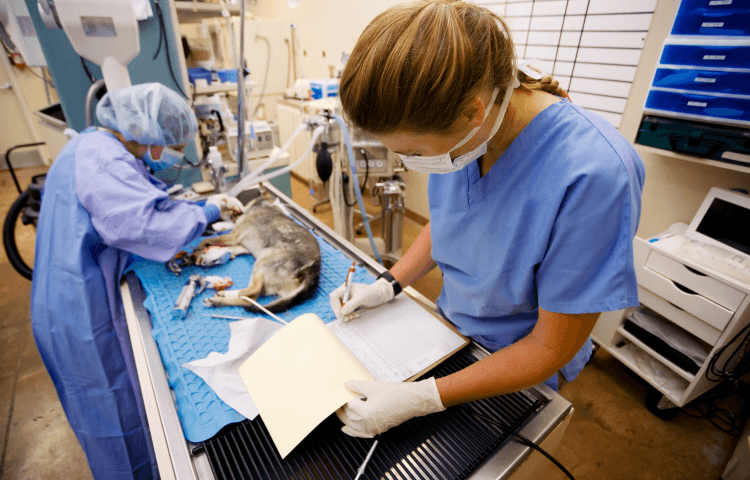
The story follows a pet owner who was hit with a staggering £8,000 bill after their policy didn't provide the level of protection they thought they had. It's the kind of situation that can come as a shock, particularly for those who believe they have already done the right thing by taking out cover.
With the cost of living still high, many of us are searching for "cheap pet insurance." While finding a bargain is great for the monthly budget, the BBC story highlights a vital truth that not all policies are created equal.
On the surface, many policies can look identical. The difference often comes down to the detail, limits, exclusions, and how long conditions are covered for. These are not always fully understood when a policy is taken out, but they can make a significant difference when it comes to making a claim. For example:
Low Annual Limits: The total amount you can claim in a year might be lower than the cost of a single complex surgery.
Time Limits: Some policies only cover a condition for 12 months from the first symptom, leaving you to foot the bill for the rest of the pet's life.
Exclusions: Certain treatments or "pre-existing" conditions may be tucked away in the small print.
The rising cost of veterinary care
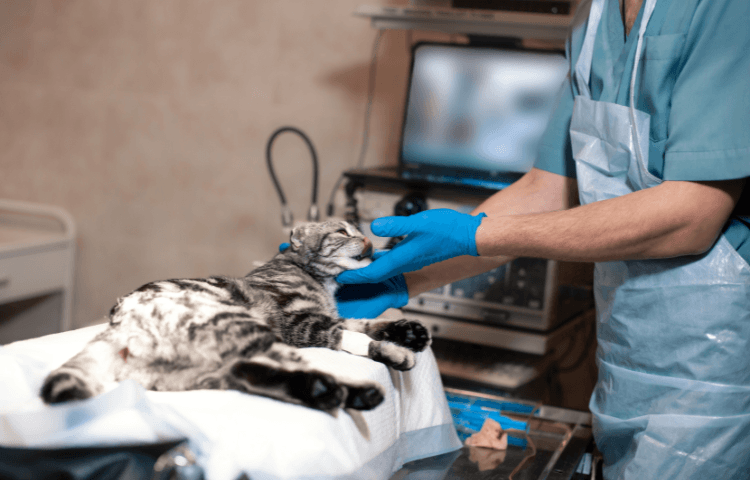
Veterinary care in the UK has moved on considerably in recent years and we now have access to treatments that weren't possible a decade ago. However, advanced care comes with a price tag to match. It is not unusual to see:
Emergency treatment exceeding £1,000 before treatment even begins.
Specialist surgery costing between £2,000 and £4,000 for things like hip replacements or spinal work.
Ongoing chronic conditions like diabetes or skin allergies can cost hundreds of pounds every single month.
For most households, these are not small or manageable expenses without some form of financial protection.
Avoiding the underinsurance trap
Underinsurance happens when you have a policy, but it isn't "fit for purpose" for your pet’s specific needs. To avoid getting caught out like the owner in the BBC report, here is what we recommend looking for:
Lifetime Cover: This is generally considered the "gold standard." It refreshes your vet fee limit every year, meaning ongoing conditions (like arthritis) stay covered for the pet's entire life.
Direct Claims: Check if your insurer can pay your vet directly. We know that most people don't have thousands of pounds sitting in a spare account, so we aim to make the payment process as smooth as possible.
Transparent Limits: Make sure the "Vet Fee" limit is high enough to cover a worst-case scenario, like the £8,000 bill mentioned by the BBC.
These are not uncommon scenarios, and they are often only fully understood when a claim is made.
Getting the balance right
Insurance should give you confidence, not uncertainty. That comes down to clear information, realistic expectations, and cover that is fit for purpose. Our goal is to help you understand exactly what you’re buying. We prioritise the well-being of your pets, which means being direct and honest about how our cover works.
Insurance should give you confidence, not uncertainty. Taking five minutes to read the Insurance Product Information Document (IPID) can save you thousands of pounds down the line.
If you’ve read the BBC story and feel a bit unsure about your current protection, we’re here to help. You can explore our pet insurance vs savings guide to see why a high-quality policy is often the safest bet.