
What a recent BBC story reveals about pet insurance in the UK
A pet owner was faced with an £8,000 bill after their insurance did not cover the treatment as expected.
Read more about What a recent BBC story reveals about pet insurance in the UKOpen 7 days a week | Open until 8pm
Open 7 days a week | Open until 8pm
Published: 23 April 2026
UK pet owners are being warned about updated EU travel requirements that could lead to delays, added costs, or even refusal at the border if not followed properly.
As of 22 April 2026, the EU has tightened its borders for pets travelling from Great Britain. While some of the requirements have been in place since Brexit, enforcement has now become stricter, particularly around the use of pet passports.
For UK pet owners travelling from Great Britain, the key points are:

An Animal Health Certificate is an official document issued by a vet confirming your pet meets the health requirements to travel. Here’s the nitty-gritty of how it works:
Let’s talk numbers. Because a vet has to manually check and sign these documents every time, they aren't cheap. You can expect to pay anywhere between £100 to £350 per pet, depending on your vet’s fees. If you travel frequently, those costs can really add up, so it’s worth budgeting for it alongside your own ferry or tunnel tickets.
Before your vet can even think about signing that certificate, your pet needs to tick these boxes:
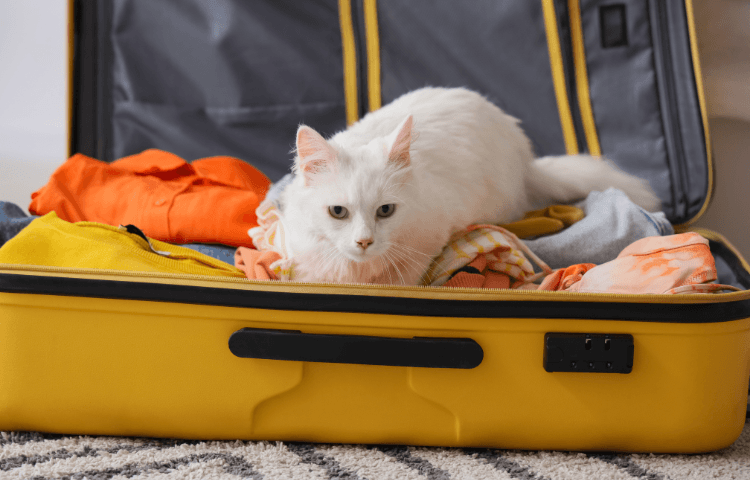
Most border delays happen because of simple confusion. Here are the common traps:
Travelling with your pet is still very much possible, but it now requires careful planning. Before you travel, it is worth:
Planning the perfect getaway is stressful enough without worrying about "what if" your pet gets sick abroad. Veterinary costs in Europe can be just as high as in the UK, and navigating a foreign clinic in a different language is the last thing you want to do while on holiday.
We make it easy to protect your adventures. Under our policies, your pet is covered in any country that is a member of the European Union for up to 90 days within your period of insurance. Whether it’s a quick weekend in France or a long summer in Spain, you can travel knowing that we’ve got your back (and your pet’s) every step of the way.
For official guidance, visit: