
Vet and owner kneel beside spayed dog at the vets
New UK vet pricing rules: What pet owners need to know
UK vets will soon be legally required to show clear price lists, cap prescription fees, and more...
Read morePublished: 29 January 2026
During the winter months, many of us feel a dip in our energy levels due to reduced sunlight disrupting mood-regulating hormones. This is often known as Seasonal Affective Disorder (SAD). But have you ever noticed your dog moping by the radiator, or your cat becoming a little more huffy than usual?
While pets might not experience SAD in the same way humans do, they are highly sensitive to changes in light, temperature, and our own moods. From dogs and cats to horses and exotic pets, the “winter blues” can affect the whole family.
Because our pets can’t tell us they’re feeling a bit “meh” we have to look for subtle shifts in their normal routine and personality.
Natural sunlight helps regulate melatonin and serotonin which are the hormones responsible for sleep and happiness. For indoor pets, move your cat’s bed or your rabbit’s run closer to a window or under a skylight. For dogs, try to schedule your main walk during the brightest part of the day, even if it’s just a quick 15-minute stroll around the block in the midday sun.
When the weather is too beastly for long outdoor adventures, bring the stimulation inside. Hide high-value treats around the room for your pet to find or use lick-mats to keep their minds engaged while they’re indoors. If it’s too icy to ride, spend 10 minutes doing groundwork or grooming with your horse to maintain that vital bond.
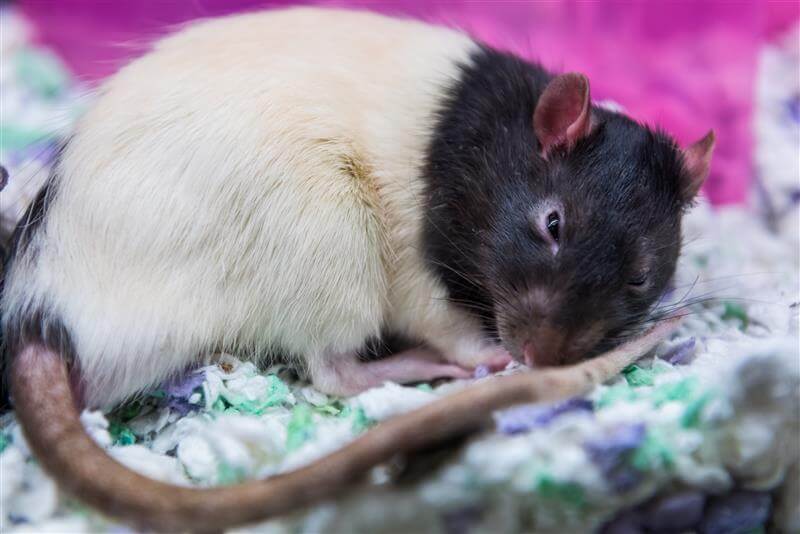
For exotic pets, winter is less about mood and more about environment. Ensure heat lamps and UVB bulbs are working at full strength. A small drop in temperature can slow down a reptile’s metabolism significantly, making them appear depressed when they are actually just too cold.
For some species, this time of year isn’t just about slowing down, it’s about a total seasonal shutdown. If you own a tortoise, for example, the drop in light and temperature is a signal that it might be time for their long winter sleep. To ensure they stay healthy during this transition, take a look at our essential tortoise hibernation tips.
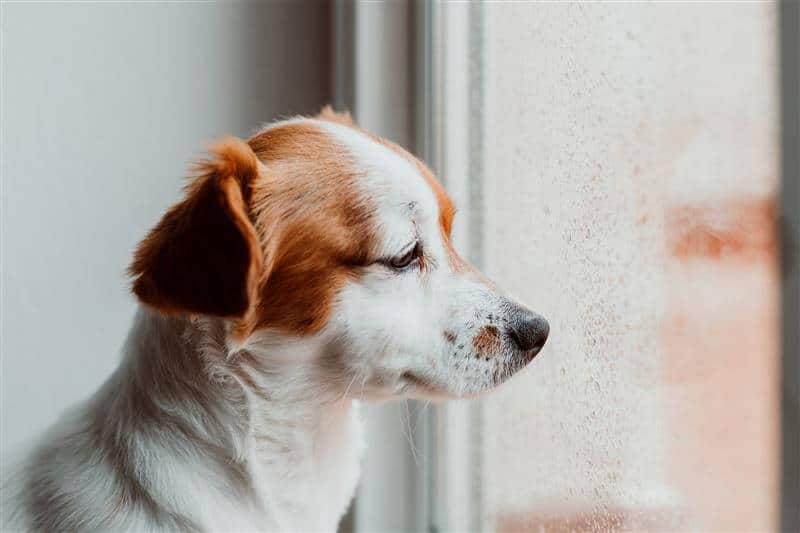
It is important to remember that lethargy, changes in appetite, or withdrawal can also be signs of underlying physical illness. For example, cold weather can make joint stiffness or arthritis more painful for senior pets, causing them to move less.
As pet owners, we want the best care for our companions without the added stress of a big vet bill. This is where having a comprehensive pet insurance policy is invaluable. Whether it’s a sudden illness or an injury on a slippery winter path, having cover in place ensures you can head to the vet the moment you’re concerned.
If your pet isn’t their usual self, our fast claims process and supportive team mean you can focus on getting them back to their best without delay. We’re proud to be rated ‘Exceptional’ by hundreds of happy customers who’ve experienced our customer service first-hand. From speedy claims to compassionate support, our reviews speak for themselves.
Sometimes, the best remedy for the winter blues is simply a bit of extra “we time.” Whether it’s an extra-long grooming session for your horse or some quiet cuddles on the sofa with your cat, your presence is often the best mood-booster they have.
Is your pet’s health protected for the season ahead? Explore our pet insurance plans for dogs, cats, horses, and exotic pet today.
Find out more about pet insurance