Cancer is one of the most difficult words a dog owner can hear from their vet. It’s also, unfortunately, more common than many people realise. Around one in four dogs will be diagnosed with cancer during their lifetime – and in many cases, that diagnosis only happens once visible symptoms have appeared.¹
By the time a dog is showing clear signs of illness, the disease may already have progressed. That’s why early detection matters so much. The earlier cancer is identified, the more treatment options are typically available – and the better the chances of a positive outcome.
This blog looks at what dog owners need to know about canine cancer, why lymphoma is one of the most important conditions to be aware of, and how advances in veterinary diagnostics are changing what’s possible.
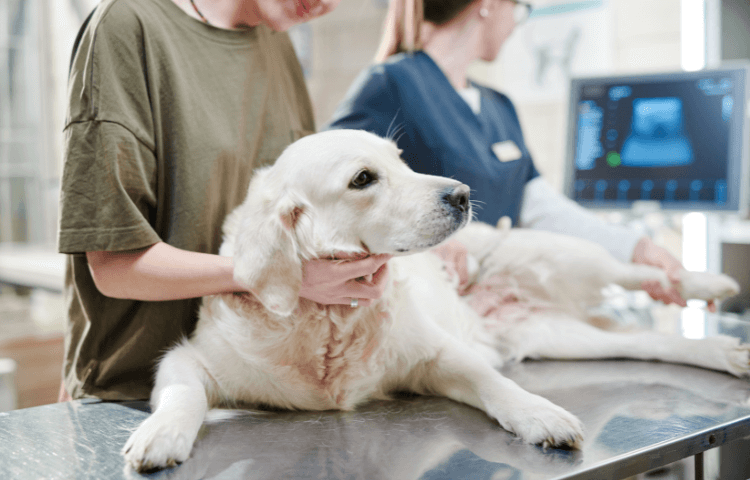
How common is cancer in dogs?
Cancer is one of the leading causes of illness in dogs worldwide, and it can affect dogs of any breed, age or size. Some breeds do carry a higher genetic risk – Golden Retrievers, Boxers, Bernese Mountain Dogs and Rottweilers, for example, are known to have elevated rates of certain cancers – but no dog is entirely without risk.
Lymphoma is among the most frequently diagnosed canine cancers, accounting for up to 24% of new cases.² It affects the lymphatic system and can develop in lymph nodes throughout the body, making it difficult to detect through routine observation alone. Dogs with lymphoma may seem broadly well in the early stages, which is precisely what makes early detection so important.
Common early signs of cancer in dogs can include:
- Unexplained weight loss
- Lumps or swellings that change over time
- Reduced energy or appetite
- Difficulty breathing or swallowing
- Lameness with no obvious cause
- Wounds that don’t heal
Why timing makes such a difference
When cancer is identified at an early stage, there are generally more treatment options available. That might include chemotherapy, targeted therapies, surgery, or a combination of approaches tailored to the individual dog. In contrast, a late-stage diagnosis can limit what’s possible – both in terms of treatment options and likely outcomes.
For lymphoma specifically, early intervention can significantly affect how well a dog responds to treatment. The condition is often treatable when caught in time, with many dogs achieving remission and enjoying a good quality of life during and after treatment.
This is why regular veterinary check-ups matter – not just when something seems obviously wrong, but as part of routine health monitoring throughout your dog’s life. Vets are increasingly supported by data-led diagnostic tools and AI-assisted technologies that help identify patterns and flag concerns earlier than was possible in the past.
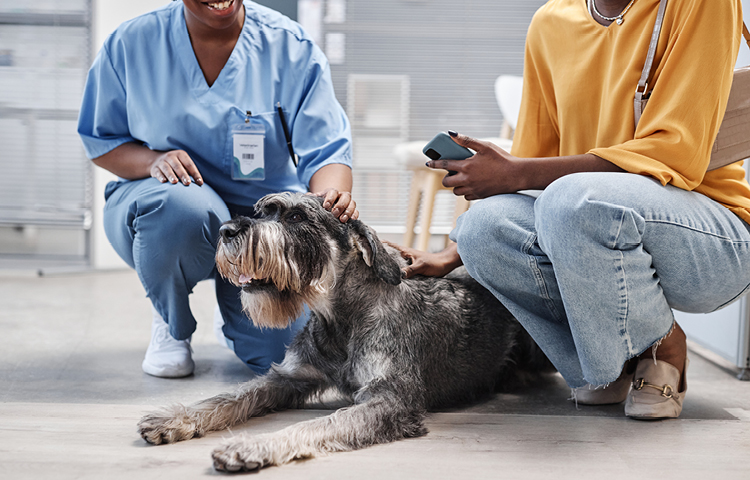
The role of pet owners in early detection
Vets are experts, but you know your dog. The people who spend time with a dog every day are often the first to notice that something has changed, even if that change is subtle.
Some things worth paying attention to include:
- Changes in energy or enthusiasm – a dog that’s less keen on walks or play than usual
- Appetite changes – eating less, or losing weight without a change in diet
- New lumps or bumps – particularly those that appear suddenly or change in size
- Swollen lymph nodes – glands in the neck, armpits or groin that feel enlarged
- Breathing changes – coughing, laboured breathing or reduced tolerance for exercise
- Any change in behaviour or general manner that feels out of the ordinary
None of these symptoms automatically indicate cancer – there are many possible explanations for each of them. But they are all worth raising with your vet, particularly if they persist or worsen over time. Searching for ‘early signs of cancer in dogs’ or ‘dog lymphoma symptoms’ is increasingly common among concerned owners, and having access to accurate, reliable information is important.
Advances in veterinary diagnostics
Veterinary medicine has made significant strides in cancer detection over recent years. Tools that analyse diagnostic data, track changes over time, and identify patterns across clinical presentations are increasingly being used to support earlier, more accurate diagnoses.
AI-assisted diagnostics, improved imaging, and blood-based screening tests are among the developments helping veterinary teams detect certain cancers sooner – sometimes before clinical signs are visible. While these technologies are still evolving, they represent a meaningful shift in what early detection can look like in practice.
Institutions such as Cornell University College of Veterinary Medicine, the Royal Veterinary College, and the American Veterinary Medical Association are actively involved in research and education around canine oncology. Their resources are a useful starting point for owners who want to learn more.
The financial side of cancer treatment
A cancer diagnosis is emotionally difficult – and it can also be financially significant. Depending on the type of cancer, the stage at diagnosis, and the treatment pathway, costs can include diagnostic imaging, biopsy, chemotherapy, surgery, medication, and ongoing monitoring. These can add up quickly, even for conditions that are highly treatable.
This is one of the areas where having the right pet insurance in place makes a real difference. Our policies are designed to support a wide range of conditions – including cancer – so that financial considerations don’t have to be the deciding factor in treatment decisions.
Whether you’re looking for lifetime pet insurance, exploring dog cancer insurance options, or simply thinking about getting cover in place while your dog is still young and healthy, having that support available when it’s needed can genuinely change outcomes.
If you’d like to understand what our cover includes, or get a quote, we’re here to help.
Find out about dog insurance