Home / Articles / Emergency vet care costs UK: what pet owners really pay
Emergency vet care costs UK: what pet owners really pay
Published: 15 June 2026
It’s late, your pet is unwell, and you are trying to decide whether it can wait until morning. In that moment, “How much is this going to cost?” is a very normal question.
Emergency vet care costs in the UK can feel shocking because the bill is rarely just “a consultation”. It’s often a chain of decisions, from triage to tests to overnight nursing, and each step has real costs behind it.
This guide breaks down the typical emergency presentations seen in UK practices and out-of-hours providers, what drives the price, and the practical questions you can ask at admission so you stay in control.
Most emergency teams follow the same basic flow, whether you’re at your usual practice or a separate out-of-hours hospital.
Step 1: Triage
Triage is a quick safety check. It helps the team spot pets who need immediate support, such as oxygen, pain relief, or urgent stabilisation.
Your pet may be taken through quickly, even before paperwork is finished. That can feel abrupt, but it is often a good sign that the team is doing the right thing.
Step 2: Stabilisation
In many emergencies, the first goal is not a perfect diagnosis. It is to reduce suffering and keep your pet stable. This is where costs can begin to build, because stabilisation can involve:
an injection for pain or nausea
placing an IV catheter
fluids
warming support
oxygen support
Step 3: Diagnostics
Once your pet is stable enough, the vet may suggest tests to find the cause or rule out dangerous problems. Common examples include:
blood tests
urine tests
X-rays
ultrasound
monitoring (repeat checks over time)
Step 4: A decision point
After the first exam and early tests, there is usually a fork in the road:
go home with treatment and a plan
stay in for monitoring and ongoing treatment
move to a referral centre for specialist care
A helpful owner question at this point is: “What are the safest options, and what does each one cost?”
With that said, emergency bills usually rise for very predictable reasons.
Out-of-hours access fees
Out-of-hours care is often charged differently to daytime care. Some providers charge:
a consultation fee
an additional out-of-hours fee
In plain terms, you are paying for a service that is staffed and ready when most other vets are closed.
Triage and urgent procedures
Even if the diagnosis is still unclear, the vet may need to treat the problem in front of them, such as pain, breathing effort, shock, or severe dehydration.
Costs can increase because urgent care may involve:
multiple staff
close monitoring
equipment and consumables used quickly
Diagnostics (especially imaging)
Diagnostics can be a major cost driver because they involve skilled time and specialist kit.
Imaging costs often climb when:
sedation is needed so your pet can be positioned safely
multiple views are required
the first test is unclear and another is needed
Hospitalisation and nursing care
An overnight stay is not just “a kennel”. It can include:
repeat medication doses
fluid pump management
observations through the night
emergency response if your pet worsens
A stable pet being observed is usually less expensive than a pet needing oxygen, intensive monitoring, or repeated interventions.
Medications and “small” consumables
Owners are often surprised by how many line items appear. This is normal in itemised billing, because each medication, catheter, dressing, syringe, and lab test may be listed separately.
RCVS guidance encourages vets to explain likely charges and to get your consent if costs will be much higher than the estimate.
Common emergency scenarios and how costs can escalate
Below are common emergency presentations, and the typical “cost escalators” that turn a simple visit into a bigger bill. These are not diagnoses, and they are not exact quotes. They are realistic pathways that many owners recognise.
Vomiting and diarrhoea
Why pets present: repeated vomiting, diarrhoea, not keeping water down, lethargy.
Often starts with:
emergency assessment
anti-sickness medication
a hydration plan
Costs can rise quickly if:
your pet is dehydrated and needs IV fluids
blood tests are needed to check organs and electrolyte balance
imaging is needed to rule out a foreign body or other serious cause
your pet needs a hospital stay for monitoring and repeat treatments
A useful question to ask: “If we do one test first, which test changes the plan the most?”
Lameness and injury
Why pets present: sudden limp, yelping, refusing to use a limb, swelling.
Often starts with:
a pain-relief plan
advice on rest and follow-up
Costs can rise quickly if:
the vet needs X-rays, which may require sedation
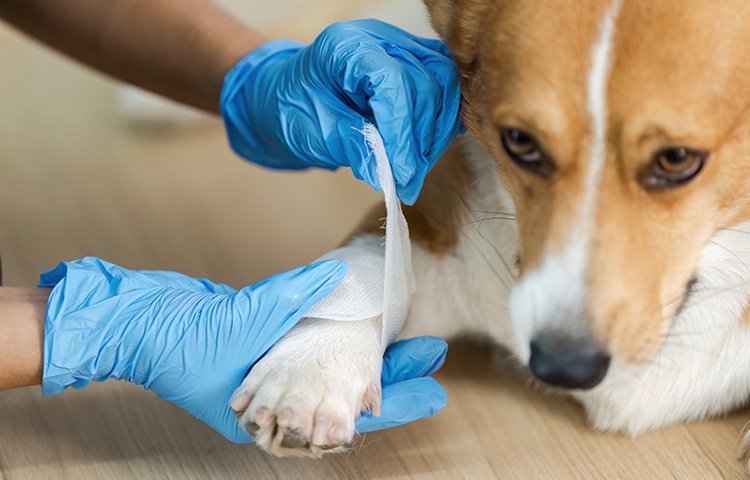
there is a wound needing cleaning and bandaging under sedation
a fracture or ligament injury needs surgery
referral is recommended for complex repair
A useful question to ask: “Can we do pain relief tonight and image in-hours tomorrow, or is imaging urgent?”
Breathing distress
Why pets present: rapid breathing, open-mouth breathing (especially cats), blue or pale gums, collapse.
Breathing problems are treated as urgent because pets can deteriorate fast.
Often starts with:
oxygen support
calm handling to avoid stress
quick decisions about imaging and medication
Costs can rise quickly if:
oxygen is needed for hours, not minutes
chest X-rays are needed urgently
your pet needs a hospital stay for close monitoring
referral is advised for specialist care
A useful question to ask: “What are we doing right now to make breathing easier, and what is the estimate for the next 2 to 4 hours?”
a risk assessment based on what, when, and how much
early treatment that is time-sensitive
Costs can rise quickly if:
repeat blood tests are needed over time
your pet needs IV fluids to protect organs
a hospital stay is recommended for observation
additional treatments are needed if signs develop
A useful question to ask: “Do we need to treat now because of timing, even if symptoms have not started?”
Daytime vs out-of-hours: why costs differ
This is one of the biggest emotional shocks for owners.
Daytime practices
Daytime practices often have:
more predictable scheduling
more time to discuss options
follow-up appointments built into the plan
Some may offer more flexibility on payment timing, but it varies.
Out-of-hours providers
Out-of-hours providers are often separate businesses with their own pricing and payment processes. It is common to be asked to pay on the night, or to pay a deposit before ongoing treatment continues, particularly if the estimate is high.
The key thing to remember is this: payment discussions are not a judgement on you. They are part of how emergency clinics keep operating overnight.
Questions to ask at admission
When you are stressed, it helps to have a short script in your head. These questions are reasonable, and a good team will not mind them.
Questions about urgency and stabilisation
What is the most urgent problem right now?
Is my pet stable, or are they critical?
What are you doing first to relieve pain or distress?
Can we stabilise first, then decide on further tests?
Questions about estimates and options
Can you give me an estimate with a low-to-high range?
What is the minimum you recommend tonight to keep my pet safe?
What is the next step if the first treatment does not work?
What can safely wait until my daytime vet opens?
Questions about referral and knock-on costs
Do you think referral is likely tonight?
If we refer, will any tests need repeating there?
Are there extra costs for transfer, admission, or specialist assessment?
Questions about payment and paperwork
Do you require a deposit tonight?
Will I receive an itemised invoice?
Can you note what treatment has already been given for my daytime vet?
Why itemised invoices look surprising (and what they mean)
Itemised invoices often look long because veterinary treatment is made up of lots of small parts.
An emergency bill may list:
consultation and recheck fees
triage or emergency care fees
nursing time
lab fees for blood and urine tests
imaging fees
each medication, dose, and quantity
consumables like syringes, bandages, IV lines, catheters
hospital stay charges, sometimes split by time blocks
If the plan changes and the cost is likely to rise significantly, you should be asked for consent before treatment continues.
Practical ways to prepare before an emergency happens
Most pet owners will face an urgent situation at some point. The goal is not to predict every illness. It is to make the moment less chaotic.
Save your daytime vet number and out-of-hours number in your phone
Keep a carrier ready (and practise getting cats into it calmly)
Store a “grab list” on your phone (medications, allergies, your pet’s normal weight)
Photograph any medication packaging if ingestion happens
Ask your daytime vet where they send emergencies, so you are not learning it at midnight
Keep your pet insurance policy number and provider details somewhere easy to access
If you have pet insurance, it can help with eligible vet fees from accidents and illnesses. Terms, limits, and exclusions apply, and pre-existing conditions are typically excluded, so always checking the in’s and out’s of a policy before you take one out.
Managing emergency vet bills
Emergency vet care costs in the UK can add up quickly because emergency medicine is rarely one single action. It is triage, stabilisation, tests, and sometimes overnight nursing, all delivered at speed and often out of hours.
The best way to protect yourself from bill shock is to ask for an estimate, ask what the safest “stabilise first” approach looks like, and ask what can wait until in-hours care.
If you would like extra peace of mind for unexpected vet bills, pet insurance can help you explore a policy that suits your pet and your budget. Just remember that what’s included depends on the specific policy terms, and pre-existing conditions are generally excluded from cover.