
What a recent BBC story reveals about pet insurance in the UK
A pet owner was faced with an £8,000 bill after their insurance did not cover the treatment as expected.
Read moreOpen 7 days a week | Open until 8pm
Open 7 days a week | Open until 8pm
Published: 19 August 2026
It’s something many horse owners do not think about until a favourite horse starts gaining weight. A thicker crest, a less visible waist or a saddle that suddenly feels tighter can all be signs that your horse’s weight needs closer attention.
Weight management for horses is not about achieving a particular number on the scales. It is about understanding your horse’s body condition, diet, exercise and seasonal changes, then making sensible adjustments when needed.
Keeping your horse at a healthy weight can support general wellbeing and may help reduce the risk of problems linked with obesity, including Equine Metabolic Syndrome, arthritis and laminitis.
A healthy weight will look different from one horse to another. Breed, height, age, workload, muscle development and natural body shape all affect how a horse should look.
A fit Thoroughbred may appear very different from a native pony, cob or draught breed. Some native types are particularly efficient at using calories and may gain weight easily when they have access to rich grazing, extra feed or too much rugging.
Rather than relying on appearance alone, monitor both:
The British Horse Society recommends fat scoring horses across three key areas: the neck, middle and hindquarters. A score of around 2.5 to 3 out of 5 is considered healthy for most horses, unless your vet advises otherwise.
Carrying too much weight can place extra strain on a horse’s joints, limbs and internal organs. It may also affect fitness and movement, particularly if the horse is older or already has arthritis.
Excess weight is also linked with a higher risk of Equine Metabolic Syndrome and laminitis. The British Horse Society notes that excessive weight gain can more than double the risk of laminitis in horses and ponies.
Laminitis is damage to the sensitive laminae inside the hoof. These tissues help attach the pedal bone to the hoof wall, so damage can cause pain, foot soreness and lameness.
Laminitis can have several causes, including:
Diet and body weight are important parts of prevention, but laminitis is a complex condition. Any signs of foot soreness should be taken seriously rather than dismissed as simple stiffness or “footiness”.
Contact your vet promptly if your horse shows signs such as:
If laminitis is suspected, stop exercise and seek veterinary advice. Do not try to manage the problem through weight loss alone.
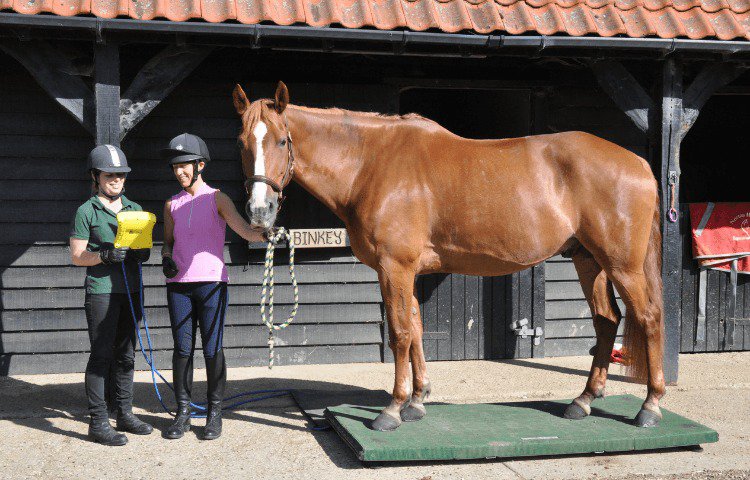
A weighbridge gives the most accurate measurement, but not every yard has access to one. A weigh tape can still be useful for monitoring trends, especially when used consistently.
Research and guidance from equine welfare organisations note that weigh tapes are not always completely accurate, but they can help show whether a horse is gaining, losing or maintaining weight over time.
For more consistent results:
Your horse’s weight may change slightly during the day, so one measurement should not be treated as a complete picture.
For an average 500-kilogram horse, gradual weight loss of around 0.5% to 1% of body weight each week can be a realistic target. That is approximately 2.5 to 5 kilograms per week, although the right rate will depend on the individual horse.
If your horse is losing weight rapidly, appears dull or is struggling to maintain condition, speak to your vet.
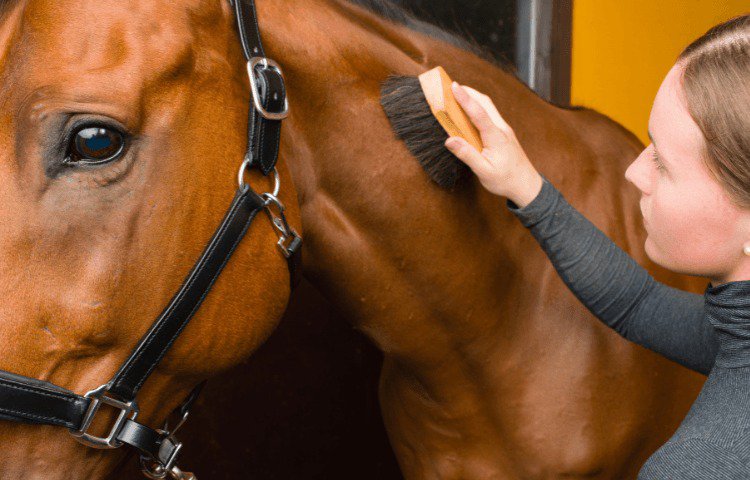
Body fat scoring, also called body condition scoring, helps you assess whether your horse is carrying too much or too little fat.
A horse’s weight alone cannot tell you whether it is healthy. Two horses could both weigh 500 kilograms while having very different levels of body fat and muscle.
Assess your horse in the following areas:
The British Horse Society describes spongey tissue as more likely to be fat, while muscle usually feels firmer. However, abnormal fat deposits can make some horses more difficult to assess accurately.
Record your horse’s fat score once a month and compare it with previous records. Ask a knowledgeable friend, vet or nutritionist to score your horse if you are unsure.
Photographs can also help, particularly if they are taken from the same angles and at similar distances each time.
A successful plan usually combines careful feeding, controlled grazing, suitable exercise and regular monitoring.
The aim is not to make your horse go hungry. Horses have physical and behavioural needs to chew and forage, so a weight loss programme should still provide enough fibre and opportunities for natural behaviour.
Start by writing down everything your horse eats in a typical day, including:
A diet may contain more calories than expected if several small extras are added throughout the day.
For horses that need to lose weight, a forage-based diet with controlled calorie intake is often recommended. However, significant dietary reductions should be planned with professional advice, particularly if your horse has a history of laminitis, Equine Metabolic Syndrome or other health conditions. BETA ENFAR can help you find accredited Equine Nutritionists and Feed Advisers who can offer practical advice and support when creating a weight-loss plan for your horse or pony.
World Horse Welfare states that forage may be provided at around 1.5% of body weight per day during weight loss programmes, but this should be done under veterinary or nutritionist supervision.
Rich pasture can make weight management difficult, especially during periods of rapid grass growth.
Possible strategies include:
World Horse Welfare recommends combining grazing management with opportunities for movement, social contact and natural foraging behaviour.
Any change to turnout arrangements should be introduced carefully. Check that your horse still has access to water, shelter, forage and companionship where appropriate.
It can be tempting to rug a horse because the weather feels cold to us. However, an overweight horse may not need as much additional warmth as a lean horse, particularly if it has a thick winter coat.
Review rugging regularly and consider whether a lighter rug, no rug or a waterproof layer would be more appropriate. Every horse is different, so age, coat, shelter, weather and health should all be considered.
Movement can support weight loss and improve fitness, but exercise needs to match your horse’s health and current level of fitness.
Suitable options may include:
World Horse Welfare recommends gradual increases in exercise, beginning with lower-intensity work for horses that are overweight or unfit. Arthritis, joint problems and previous laminitis should be taken into account before increasing activity.
Do not exercise a horse that is showing signs of laminitis, lameness or significant discomfort without veterinary guidance.
Weight management is a year-round responsibility. A horse that maintains its weight during summer may still be making progress if it would otherwise continue gaining.
Monitor your horse closely when grass growth increases. Pay particular attention to the crest, ribs, tailhead and overall shape.
You may need to adjust turnout, grazing access or forage provision more than once during the season.
Some horses lose weight more easily during winter, but this is not true for every horse. Cold, wet weather, reduced forage quality or dental problems can all contribute to unwanted weight loss.
Continue checking body condition even when your horse is wearing a winter coat. Regular hands-on checks are more useful than appearance alone.
Keep a simple record containing:
Plotting weight on a graph can help you identify gradual changes and seasonal patterns. It also prevents you from overreacting to one unusual measurement.
For example, a horse that maintains its weight through a difficult summer may be progressing well, even if the number on the weigh tape has not fallen.
Seek veterinary advice if your horse:
Conditions such as Equine Metabolic Syndrome and PPID can affect body fat distribution, weight and laminitis risk. A vet may recommend a clinical examination or blood tests if these conditions are suspected.
Horse insurance may help with eligible veterinary treatment, depending on the policy terms, exclusions, limits and level of cover selected.
Pre-existing conditions are generally excluded, so it is important to check the policy wording and understand what may apply to your horse. Insurance should support responsible planning, but it does not replace regular veterinary care, farriery, dental checks or everyday weight management.
Learn more about our specialist insurance for horses or get a quick quote online.
Weight management for horses is most effective when it becomes part of the normal care routine. Weigh your horse regularly, body condition score each month and record changes in feed, grazing and exercise.
A healthy weight is not about making your horse look a certain way. It is about supporting comfort, movement and long-term wellbeing while reducing avoidable health risks.
Every horse is different, and progress may be gradual. With careful monitoring and professional advice when needed, small changes can make a meaningful difference to your horse’s health.