Home / Articles / The ultimate guide to flea, tick, and worm prevention
The ultimate guide to flea, tick, and worm prevention
Published: 14 April 2026
Fleas, ticks, and worms are more than just a nuisance; they are the most common parasites affecting UK pets. If left untreated, they can cause significant discomfort, long-term health issues, and even life-threatening illnesses.
Fortunately, with a consistent routine and the right products, these uninvited guests are easy to manage. This guide provides practical advice to keep your pets healthy and your home parasite-free. Jump to:
Fleas are fast-moving parasites that feed on your pet’s blood. They reproduce at an alarming rate. One female can lay up to 50 eggs a day! Once they enter your home, they can be incredibly stubborn to remove.
Common signs of fleas:
Persistent scratching, biting, or overgrooming
Flea dirt (black, pepper-like specks in the fur)
Red, irritated skin or “Flea Allergy Dermatitis”
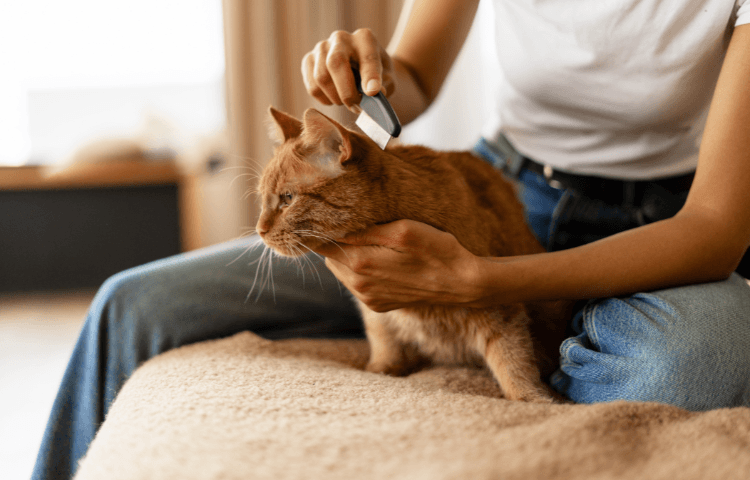
Visible fleas, especially around the neck, belly, or base of the tail
Understanding ticks
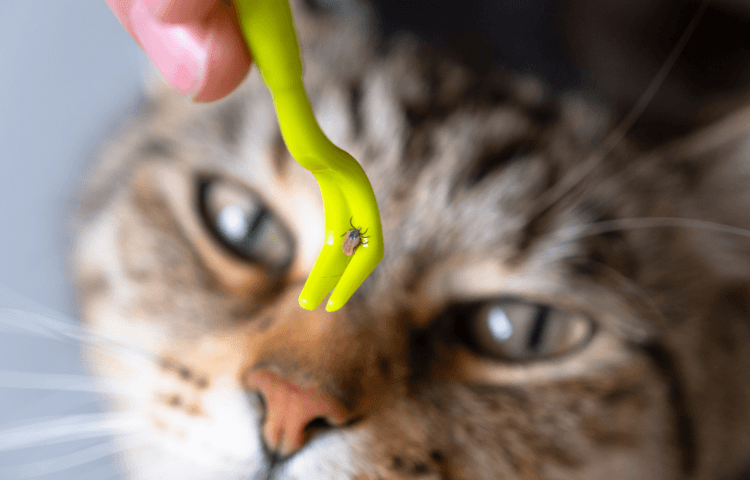
Ticks are often found in long grass, woodland, and rural areas. They attach themselves to your pet’s skin and swell as they feed. Ticks are notorious for transmitting serious infections, such as Lyme Disease, Babesiosis, and Anaplasmosis.
Key symptoms of tick-borne illness:
Fever and lethargy.
Sudden, painful joint swelling or shifting lameness.
Never “yank” or “twist” a tick with your fingers or standard tweezers. This can cause the head to break off and stay embedded in the skin, leading to infection. Always use a dedicated tick-removal tool or hook.
Understanding worms
Worms are internal parasites that can affect pets of all ages. Common types include roundworms, tapeworms (often transmitted via fleas), and lungworms (contracted from slugs and snails).
Key symptoms of worms:
A bloated belly (common in puppies and kittens).
Weight loss or a dull, poor-quality coat.
Vomiting or diarrhoea.
Visible rice-like segments in faeces.
Many pets show no outward symptoms at all, which is why a routine worming schedule is essential for the health of your pet and your family.
Preventing an infestation
Consistency is the best way to avoid a shocking bill at the vet. Most flea infestations peak during summer, but a second peak occurs in winter when we turn on the central heating, which wakes up dormant eggs.
For cats: Monthly flea treatment and worming every 1–3 months (monthly for those who hunt).
For dogs: Monthly flea/tick treatment and 3-monthly deworming.
Indoor pets: Don’t skip treatments! Fleas can be brought in on your clothes, and worms can be picked up from outdoors including prey, insects or soil on shoes.
Essential products
Choosing the right cover for your pet involves a combination of treatments. Here is a breakdown of the most effective options:
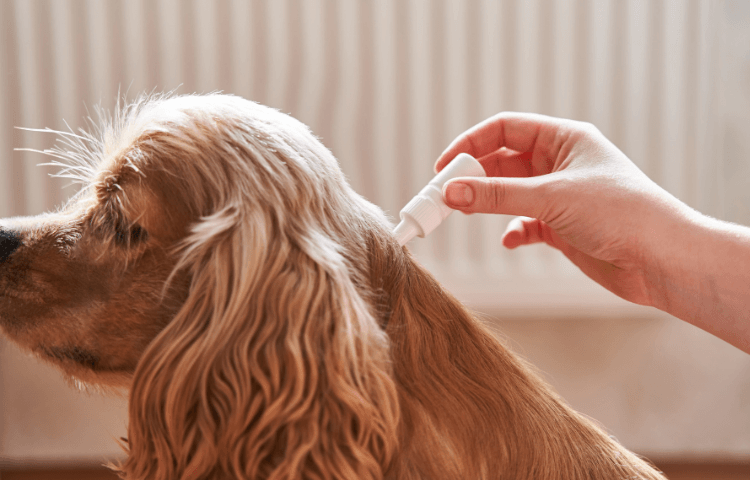
Spot-on treatments: Liquid applied to the back of the neck. Provides routine 4-weekly prevention for fleas and ticks.
Oral tablets: Chewable tablets working from the inside. Fast-acting and ideal for pets who swim or dislike topical treatments.
Flea & tick collars: Slow-release active ingredients. Low maintenance (e.g. Seresto collars offer up to 8 months of protection).
Worming pastes/tabs: Broad-spectrum internal protection. Routine deworming every 3 months (or monthly for hunters/multi-pet homes).
The 95% rule
Did you know that 95% of a flea infestation lives in your home, not on your pet? Eggs, larvae, and pupae hide in your carpets and floorboards.
Using a household flea spray with an IGR (Insect Growth Regulator) is crucial. It breaks the life cycle by stopping eggs from hatching. Use IGR sprays on:
Carpets and rugs.
Skirting boards and floorboard cracks.
Soft furnishings and pet bedding.
Is your pet fully protected?
Even with the best prevention, sometimes parasites can lead to more serious health complications, such as severe anaemia or Lyme disease.
When you have a policy with British Pet Insurance, you have the peace of mind that if your pet becomes unwell, you can access the best veterinary care immediately. We pride ourselves on our simple claims process and fast turnarounds, ensuring that you can focus on your pet’s recovery rather than the cost. When comparing pet insurance vs savings, remember that a sudden illness can easily outweigh a small savings pot.